
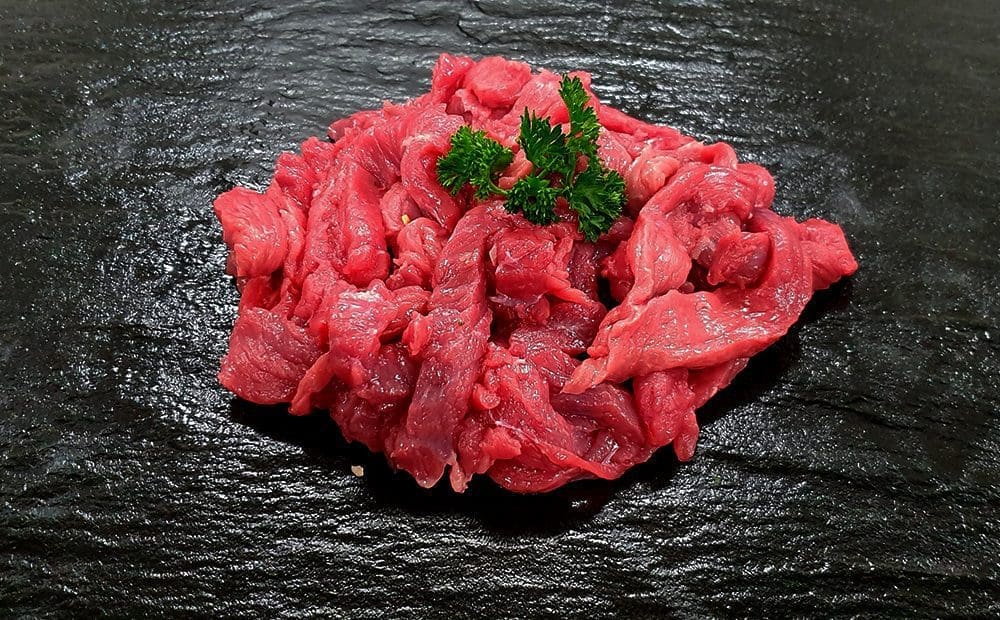
Walk down the meat aisle at any major supermarket and you’ll see the word “premium” everywhere. Premium beef. Premium scotch fillet. Premium select cuts. Premium Australian beef. Premium grass-fed.
Here’s the part that should make you stop and think: in Australia, the word “premium” has no legal definition when it comes to beef. None. There is no minimum standard. No regulator who checks it. No grade you have to meet. Anyone can print “premium” on a label and sell beef at a higher price because of it.
That’s just one of the labelling tricks shoppers are walking past every week without realising.
“Premium,” “Select,” and “Choice” Are Just Marketing
The first thing worth understanding is the difference between regulated terms and marketing terms.
Regulated terms have to mean something specific. The government or an industry body decides what they mean and audits the claim. Marketing terms can mean whatever the company wants them to mean. The supermarket decides, and the shopper assumes the word means something.
“Premium,” “select,” “choice,” “gourmet,” “supreme,” “butcher’s choice,” and “prime” all fall into the marketing bucket in Australia. They sound official. They cost more. But there’s no enforceable standard behind any of them at the supermarket shelf.
Compare that to the United States, where “USDA Prime,” “USDA Choice,” and “USDA Select” are actual grades with defined fat marbling thresholds. Australia doesn’t have a public-facing grading system like that on every label.
The Grading System That Actually Means Something: MSA
Australia does have a real beef grading system. It’s called Meat Standards Australia, or MSA. It grades beef on tenderness, juiciness, and flavour, based on factors like the animal’s age, hanging method, ageing time, and processing.
The catch: MSA grading is voluntary. Producers and retailers can choose whether to put beef through the MSA process. Plenty of supermarket beef never gets MSA graded at all. And when MSA grading does appear, the actual score (3, 4, or 5 star) is often not displayed on the consumer label. It’s used internally for category management.
So even when there’s a real grading standard backing the product, the shopper rarely sees it.
Grass-Fed Claims: What’s Actually Verified
“Grass-fed” sounds simple. Cows eat grass. Done.
In practice, the term gets stretched. A cow can spend most of its life on pasture and a few weeks in a feedlot finishing on grain, and a producer might still call it “grass-fed” if they’re using a less strict definition. There is a real certification called PCAS (Pasturefed Cattle Assurance System) that audits proper grass-fed production. PCAS-certified beef has to come from cattle that have only ever eaten grass and forage, never grain.
On supermarket labels, you’ll often see “grass-fed” with no PCAS certification logo. That means the producer is making the claim without third-party verification.
The real difference between grass-fed and grain-fed beef matters if you care about how the cow was raised. The supermarket label often doesn’t tell you which version of “grass-fed” you’re getting.
The Wagyu Loophole
Wagyu is the most abused word on Australian beef labels.
Genuine full-blood wagyu is bred from registered Japanese genetics, raised slowly, fed a careful grain diet for an extended finishing period, and produces beef with intense marbling. It’s expensive for a reason. A full-blood wagyu ribeye can cost over $200 per kilo.
But the term “wagyu” gets used for crossbred cattle too. F1 wagyu is a wagyu bull crossed with an Angus cow. F2 is a step further. F4 wagyu has more wagyu genetics than not. Crossbred wagyu is still technically wagyu, but it’s not the same product as full-blood.
Supermarkets sell “wagyu mince” or “wagyu burgers” that are often F1 or lower, and the marbling and flavour are nowhere near full-blood. The label still says “wagyu,” the price still climbs, and most shoppers walk away thinking they bought the same thing the high-end steakhouses serve.
If a label doesn’t tell you the marble score (a number, usually 4 to 9+) or whether it’s full-blood or crossbred, treat the “wagyu” claim with caution.
Country of Origin Tricks
Australian country-of-origin labels are clearer than they used to be, but there’s still confusion.
“Product of Australia” means the beef was born, raised, and processed in Australia. That’s the strongest claim.
“Made in Australia” sounds similar but is weaker. It can include imported components processed here.
“Packed in Australia” or vague “Australian beef” wording can sometimes apply to beef that was imported and repackaged. Read the kangaroo logo and the percentage bar at the bottom of the label, not just the front-of-pack claim.
For something as basic as beef, this stuff really shouldn’t be confusing. But supermarket labels are designed to look reassuring rather than to give you full information.
The “Yearling” and “Prime” Terms Worth Knowing
A couple of beef terms actually do mean something.
“Yearling” refers to beef from cattle under 30 months of age. Younger animals tend to produce more tender meat. This is a real distinction that affects eating quality, and it’s used consistently across the industry.
“Prime” used to have specific meaning in some Australian state contexts (like “prime steer” in livestock auctions), but on supermarket labels in 2026, it’s largely a marketing word.
“Aged” is another one that varies. Properly dry-aged beef is hung in temperature-controlled rooms for 14 to 60 days. Wet-aged beef is sealed in vacuum bags. They’re both technically “aged” but produce different results. Supermarket “aged” beef is almost always wet-aged for a short period because dry-ageing is expensive and requires controlled facilities.
What To Actually Look For
If you want to skip the marketing fog and buy beef with real quality signals, here’s what helps:
Buy from a butcher who can tell you the source. A real butcher knows which farm or region the beef came from. Supermarket meat counter staff almost never have that information.
Ask about MSA grading. If the beef is MSA graded, a butcher will know and tell you. It’s a real quality signal.
Look at the meat, not just the label. Good beef has a deep red colour, white (not yellow) fat unless it’s genuinely grass-finished, and even marbling distributed through the cut. Pick up the cut and inspect it before you accept the labelling at face value.
For wagyu, ask for the marble score. A genuine wagyu cut will have a marble score declared. If the answer is vague, it’s not the wagyu it’s claiming to be.
For grass-fed, ask about certification. PCAS-certified is the gold standard. If the seller says “grass-fed” but can’t explain how it’s verified, take it with a pinch of salt.
Why Going Direct Solves Most of This
The reason butchers and wholesale meat suppliers can give clearer answers is simple: they handle the product. They know which supplier it came from, how long it was aged, and how the cattle were raised. The supermarket meat manager rarely has any of that information because the supply chain is too long and impersonal.
Going direct to a wholesaler also means bulk pack pricing and product transparency in the same purchase. You save money and you actually know what you’re buying.
The Bottom Line on Labels
The Australian beef label system isn’t a scam. There’s real beef behind every cut. But the marketing language on supermarket shelves is designed to make every product sound premium, even when “premium” means nothing in particular.
If a label leaves you guessing, it’s working as intended.
The way around it is buying from someone who tells you the answer instead of selling you a story. If you want to know exactly what you’re putting on the dinner plate, get in touch with the team and we’ll walk you through the cuts, grades, and sources we work with.